首頁 / Home

BIOFLUMEN & XENSOR LAB · DR. CHUN-HAO CHANG

技術簡介Techniques

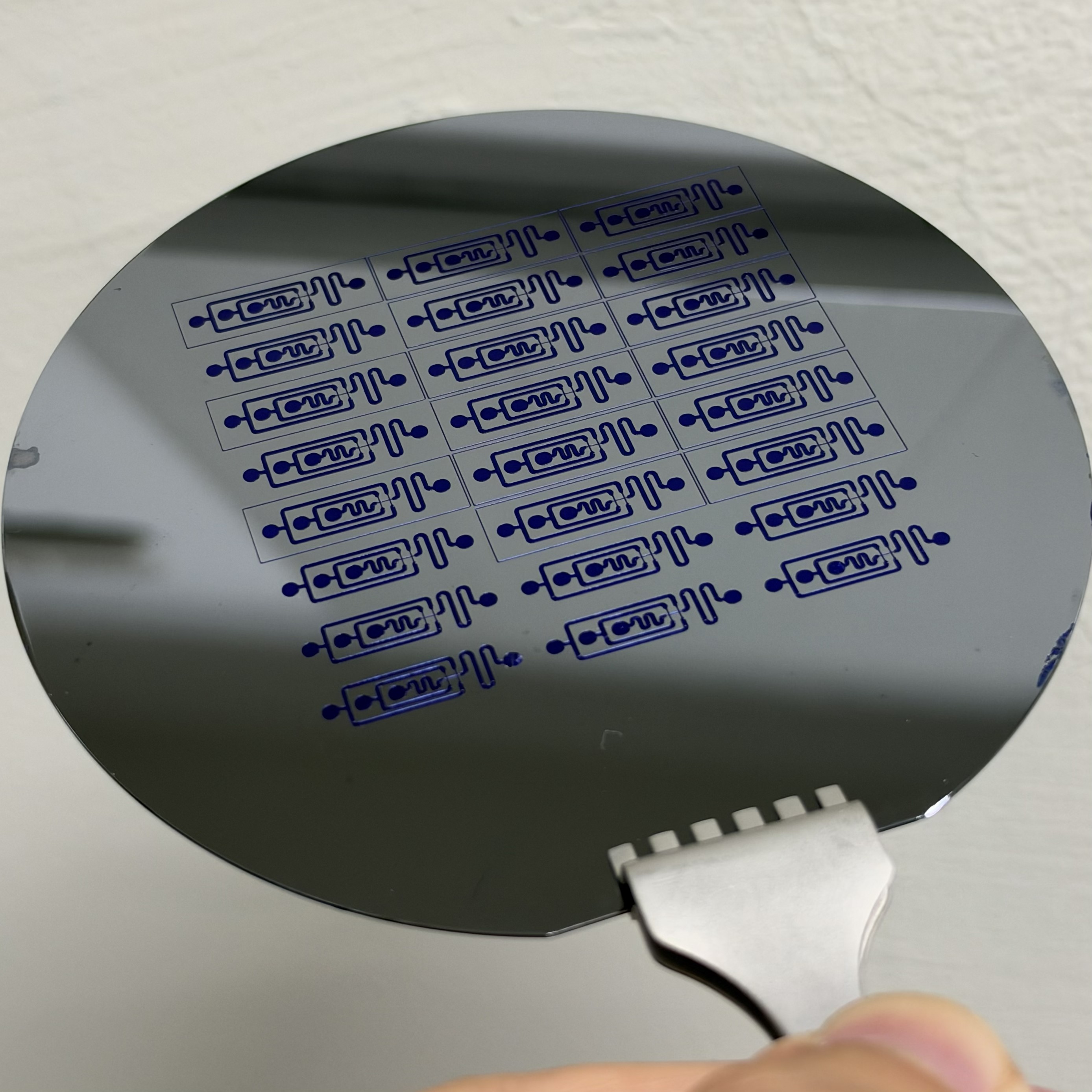
01無光罩雷射微流體製程

無光罩雷射微流體製程Maskless laser microfluidic fabrication

利用雷射依照數位圖樣直接加工材料,製作微流道、孔洞與局部結構。製程開發著重材料選擇、加工條件與流道表面品質,銜接晶片封裝及流體測試。

Laser machining follows digital patterns to form microchannels, openings and local features. Process development considers the material, machining conditions and channel surface quality, followed by chip bonding and flow testing.
02微銑切製程

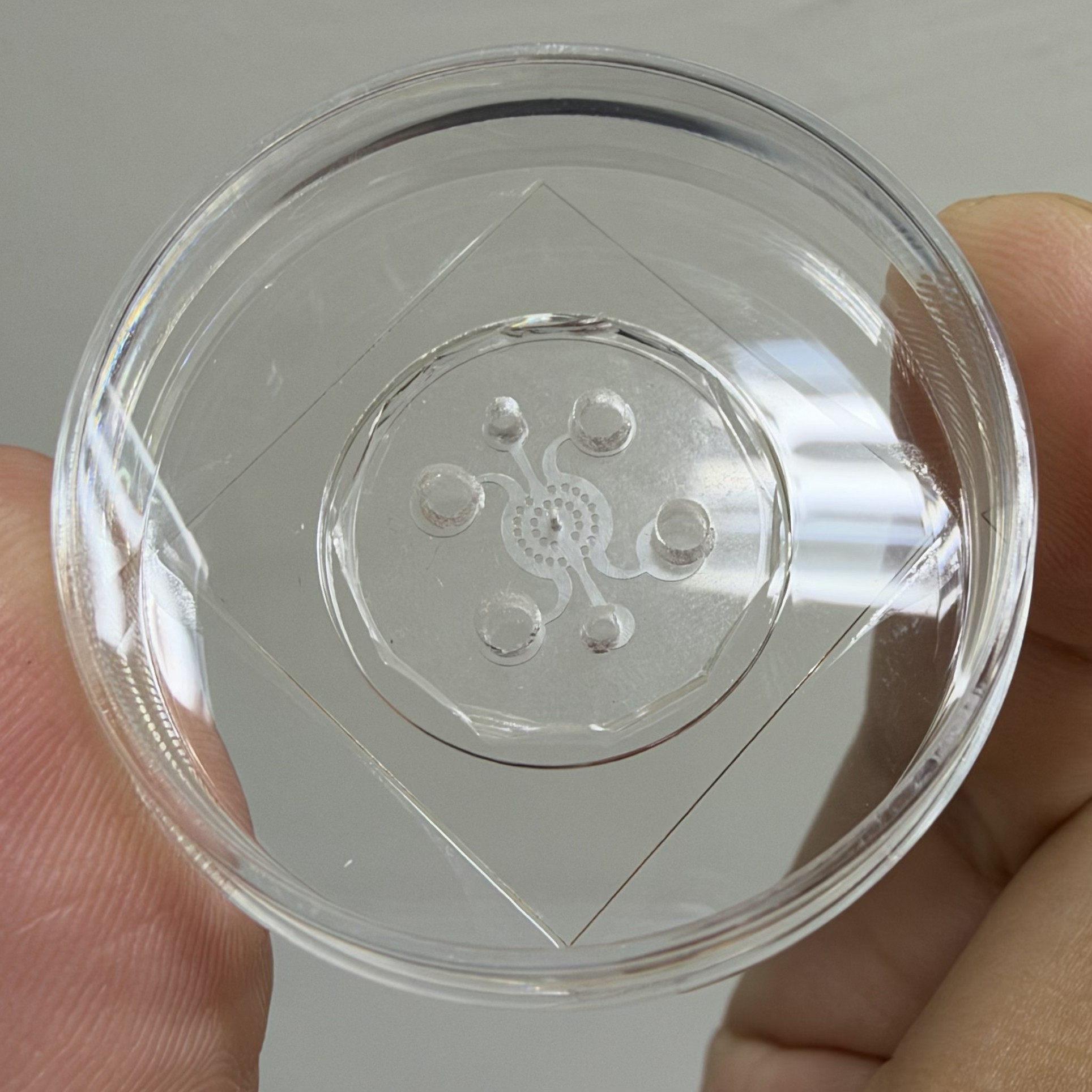
微銑切製程Micromilling

將 CAD 設計轉換為刀具路徑,使用微小刀具加工微流道、模具與晶片零件。透過粗加工、精加工及表面檢查,建立適合原型製作的幾何結構。

CAD designs are converted into toolpaths for machining microchannels, molds and chip components with small cutting tools. Roughing, finishing and surface inspection support prototype fabrication.

03

FDM/光固化 3D 列印FDM & resin 3D printing

FDM 以熱塑性材料逐層成形,光固化列印則利用光照使樹脂固化。依尺寸、表面品質及材料需求選擇製程,用於載具、治具、封裝零件與研究原型。

FDM builds parts layer by layer from thermoplastics, while resin printing cures a photosensitive material with light. Process selection follows dimensional, surface and material requirements for holders, fixtures, packaging parts and research prototypes.

04

生物表面嫁接技術Bioconjugation & surface functionalization

本實驗室與國立陽明交通大學智慧醫電工程研究所李博仁教授、應用化學系李耀坤退休教授及林修本博士具有研究合作關係,結合多種生物偶聯與表面功能化技術。

可依晶片基材及檢測需求,進行抗體、醣類、蛋白質、核酸與抗沾黏分子等的表面固定化及改質,建構具有生物辨識能力且能降低非專一性吸附的檢測介面,應用於微流體晶片與生物感測平台。

Our laboratory collaborates with Prof. Bor-Ran Li of NYCU's Institute of Biomedical Engineering, retired Prof. Yaw-Kuen Li of the Department of Applied Chemistry, and Dr. Lin (林修本) on bioconjugation and surface functionalization approaches.

Depending on the substrate and assay requirements, our surface modification strategies can immobilize antibodies, carbohydrates, proteins, nucleic acids and antifouling molecules. These approaches support biorecognition interfaces with reduced nonspecific adsorption for microfluidic devices and biosensing platforms.

05

無菌操作實驗台Aseptic handling workspace

進行樣本處理、培養液分裝與實驗前置作業,配合清潔流程與適當設備降低外來污染。操作方式與防護條件依樣本及實驗需求規劃。

The workspace supports sample handling, medium dispensing and experimental preparation. Cleaning practices and appropriate equipment help control contamination; handling and protection are planned for the samples and experiment.

06

微生物實驗培養Microbial culture

依研究問題規劃微生物培養與檢測實驗,關注培養條件、污染控制及結果紀錄。培養與分析流程可銜接微流體平台及生物感測研究。

Microbial culture and detection experiments are planned around the research question, with attention to culture conditions, contamination control and documentation. Culture and analysis workflows connect with microfluidic and biosensing studies.

07

共同細胞培養室Shared cell culture facility

運用共同細胞培養空間進行細胞維護與實驗準備,銜接生物相容性評估、細胞反應觀察及生醫晶片研究。使用安排與操作流程依共同空間規範辦理。

The shared cell culture facility supports cell maintenance and experimental preparation for biocompatibility assessment, cellular response studies and biomedical chip research. Scheduling and procedures follow the shared facility guidelines.